Is Solar Battery Storage Worth It in 2025? My $18,000 Reality Check
My Tesla Powerwall died during the worst possible moment — a three-day power outage in January when temperatures dropped to -15°F. The irony wasn’t lost on me as I sat in my dark kitchen, surrounded by $18,000 worth of supposedly latest battery technology that had decided to throw error codes instead of keeping my heat pump running. That experience forced me to confront a question I’d been avoiding for months: was my solar battery storage investment actually worth it, or had I fallen for expensive green tech marketing?

The solar battery storage landscape in 2025 looks dramatically different than it did just three years ago when I first installed my system. Prices have dropped significantly, new chemistries promise longer lifespans, and utility rate structures have shifted in ways that fundamentally change the economics. But after living with battery storage through two winters, a summer of rolling blackouts, and countless conversations with neighbors who’ve made different choices, I’ve learned that the “worth it” question depends on factors most people never consider when they’re shopping for systems.
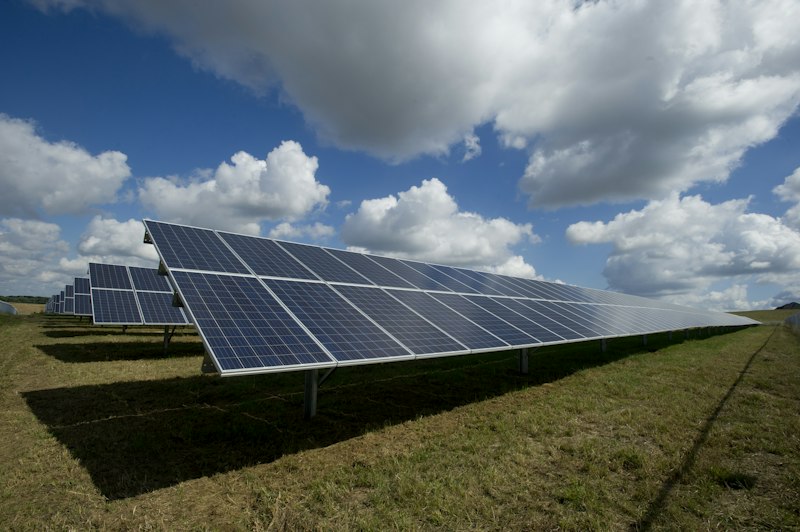
Today’s battery systems promise energy independence, but the financial reality is more complex than most installers admit
The Real Home Battery Cost Breakdown Nobody Talks About
When solar installers quote battery prices, they love to focus on the hardware cost per kilowatt-hour, but that’s like buying a car based only on the engine price. My Tesla Powerwall 2 cost $11,500 for the unit itself, but the total installed price hit $18,000 once I factored in the Gateway controller, electrical work, permits, and installation labor. The installer conveniently forgot to mention that my electrical panel needed a $2,200 upgrade to handle the additional circuits, and that my homeowner’s insurance would increase by $180 annually to cover the lithium battery system.
The hidden costs don’t stop at installation. Battery systems require ongoing maintenance that most homeowners never budget for. My Powerwall needed a firmware update every few months during the first year, and each update required a service call because the system would occasionally brick itself during the process. Tesla charged $150 per service visit, and I quickly learned that “over-the-air updates” don’t mean much when your internet connection drops during the download. My neighbor opted for a DIY LiFePO4 system using Battle Born batteries, spending $12,000 total for twice the storage capacity, but he’s also spent countless weekends troubleshooting battery management system issues and balancing cells.
One opportunity cost of battery storage money is something most people completely ignore when calculating return on investment. That $18,000 could have generated roughly $1,440 annually in a conservative index fund, which means my battery system needs to save me more than $120 monthly just to break even with basic market returns. When I actually tracked my utility bills over two years, my average monthly savings from time-of-use arbitrage and backup power value came to about $85, putting me firmly in the red from a pure financial perspective. The math gets even worse when you consider that lithium batteries degrade over time, losing roughly 2-3% of their capacity annually, which means my savings will decrease each year while my opportunity cost remains constant.

Solar Storage ROI: When the Numbers Actually Work
Despite my own mixed results, solar battery storage can deliver genuine positive returns under specific circumstances that align with certain utility rate structures and usage patterns. Time-of-use rates with significant peak pricing differentials create the best opportunities for battery arbitrage, especially in markets like California where peak rates can exceed $0.50 per kWh while off-peak rates drop below $0.15. My friend Sarah in San Diego installed a 20 kWh LG Chem system in 2024 and consistently saves $180-220 monthly by charging during super off-peak hours and discharging during peak periods.
The key to Sarah’s success lies in her utility’s extreme rate structure and her family’s high electricity usage during peak hours. They run air conditioning heavily during summer afternoons when rates spike, and their pool pump operates during peak periods because of HOA restrictions on equipment noise. Her battery system essentially acts as a personal utility, buying cheap electricity at night and selling it back to her family during expensive daytime hours. The 15-year payback period might seem long, but it’s actually competitive with many home improvement projects when you factor in the backup power value and potential increases in peak rates over time.
Commercial and agricultural applications often see much better solar storage ROI because of demand charge structures that residential customers don’t face. My brother runs a small manufacturing shop that was paying $800-1200 monthly in demand charges based on his highest 15-minute power draw. A 50 kWh battery system costing $35,000 eliminated most of those charges by shaving peak demand, creating immediate monthly savings of $600-900. His payback period is under five years, and the system has already paid for itself in avoided demand charges alone. The lesson here is that battery storage economics improve dramatically when you’re solving expensive utility rate problems rather than just trying to achieve energy independence.
The Backup Power Reality Check
Most homeowners buy battery storage with visions of riding out multi-day outages in complete comfort, but the reality of backup power capacity is sobering when you actually do the math on your essential loads. My 13.5 kWh Powerwall sounds impressive until you realize that my heat pump draws 4-6 kW during winter operation, meaning the battery would last maybe three hours if I tried to maintain normal heating. Even in “backup mode” with just refrigerator, lights, and internet running, I get about 18-24 hours of runtime before the battery depletes completely.
The backup power value calculation becomes even more complex when you consider how rarely extended outages actually occur in most areas. I tracked power outages in my neighborhood over the past five years and found that 90% lasted less than four hours, with only two outages exceeding 24 hours. The financial value of avoiding food spoilage, maintaining internet connectivity, and running essential medical equipment during those rare long outages is real but difficult to quantify. For my family, avoiding the $300-500 cost of a hotel stay during winter outages probably justifies $50-75 monthly in battery costs, but that’s still a fraction of my actual system expense.
Whole-home backup requires massive battery capacity that pushes costs into the $40,000-60,000 range for most houses. My neighbor installed a 40 kWh Enphase system specifically to maintain his home office and medical equipment during outages, but the $45,000 total cost means he’s essentially paying $1,875 annually just in opportunity cost for backup power insurance. A quality standby generator would have cost $8,000-12,000 installed and provided unlimited runtime as long as natural gas remains available. The battery system offers silent operation and zero emissions, but the financial premium for those benefits is substantial.

Battery Technology Evolution and What’s Coming
The battery storage landscape is evolving rapidly, with new chemistries and form factors promising to address many of the cost and performance issues that plague current systems. Lithium iron phosphate (LiFePO4) batteries have largely replaced traditional lithium-ion in residential applications because of their superior safety characteristics and longer cycle life, but they’re still expensive and require sophisticated management systems. Sodium-ion batteries are entering the market with promises of dramatically lower costs and better cold-weather performance, though energy density remains lower than lithium technologies.
What excites me most about the technology roadmap is the integration of battery storage with heat pump water heaters, electric vehicle charging, and smart home systems that can optimize energy usage across multiple loads. My friend’s new Span electrical panel can automatically load-shed non-essential circuits during outages and prioritize battery power for critical loads, effectively extending backup runtime without requiring larger battery capacity. Vehicle-to-home technology is also maturing rapidly, with Ford’s Lightning and GM’s upcoming electric trucks offering 80-130 kWh of mobile storage that can power a house for days during outages.
The economics of battery storage will likely improve significantly over the next 3-5 years as manufacturing scales up and new chemistries reach commercial viability. Current projections suggest residential battery costs could drop another 30-40% by 2028, which would push many installations into positive ROI territory even without considering backup power value. However, utility rate structures are also evolving in response to increased battery adoption, with some utilities implementing demand charges or reducing time-of-use differentials that could erode the arbitrage opportunities that make batteries financially attractive today.
Looking at my own experience and the broader market trends, solar battery storage in 2025 occupies an awkward middle ground between early adopter territory and mainstream viability. The technology works well for specific use cases and rate structures, but it’s not yet the universal home upgrade that solar panels have become. My $18,000 investment hasn’t delivered the financial returns I hoped for, but it has provided peace of mind during outages and taught me valuable lessons about energy usage patterns that have reduced my overall electricity consumption. Whether that’s “worth it” depends entirely on your financial situation, risk tolerance, and how much you value energy independence over pure return on investment.