Home Battery Storage Guide 2025: Why I Finally Ditched My Generator After 15 Years
The generator died at 2 AM during an ice storm last February, and I knew I was done with the whole gas-powered backup routine. Fifteen years of dragging that 8,000-watt beast out of the garage, running extension cords through windows, and making midnight runs for gas during emergencies had finally worn me down. But what really pushed me over the edge wasn’t the inconvenience — it was watching my neighbor’s house stay fully lit while mine went dark, all thanks to his Tesla Powerwall installation from the previous summer. That morning, as I scraped ice off my generator’s pull cord for the third time, I decided it was time to join the battery storage revolution.

That home battery landscape has transformed dramatically since I first looked into it back in 2019. What used to be a luxury item for early adopters has become a practical solution for regular homeowners, driven by falling lithium battery prices, improved inverter technology, and frankly, an electrical grid that seems less reliable every year. The math that didn’t work five years ago suddenly makes perfect sense, especially when you factor in time-of-use electricity rates, federal tax credits, and the peace of mind that comes with silent, automatic backup power.
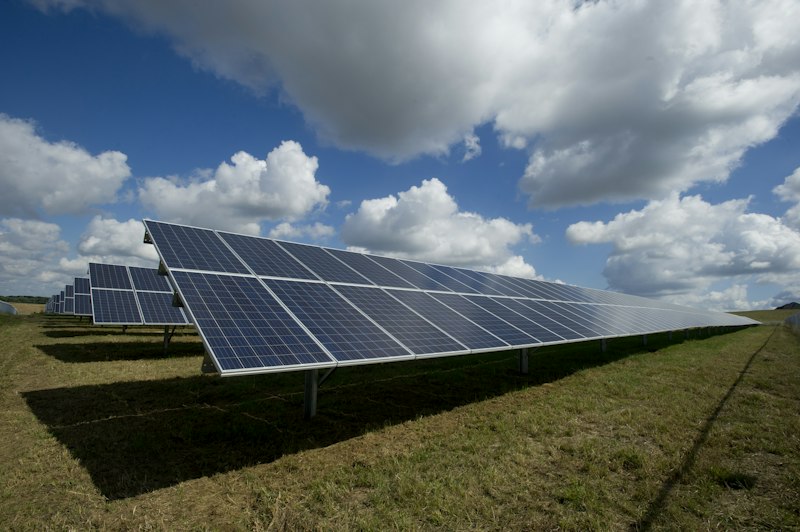
Home battery systems have evolved from expensive novelties to practical backup power solutions that integrate smooth with solar installations
Understanding Battery Chemistry and Why It Matters More Than Capacity
The majority of shopping for home battery storage get fixated on kilowatt-hour capacity numbers, but the battery chemistry determines how that capacity performs in real-world conditions. Lithium iron phosphate (LiFePO4) batteries have become the gold standard for residential installations, and after researching dozens of systems, I understand why. These batteries can handle 6,000 to 8,000 charge cycles while maintaining 80% capacity, compared to traditional lithium-ion batteries that start degrading significantly after 3,000 cycles. When you’re looking at a 10-15 year investment, that longevity difference translates to thousands of dollars in replacement costs avoided.
A Tesla Powerwall uses a nickel manganese cobalt (NMC) chemistry that offers higher energy density but shorter lifespan compared to LiFePO4 alternatives. Tesla compensates for this with sophisticated battery management systems and a 10-year warranty, but I’ve seen enough early Powerwall installations to know that real-world performance varies significantly based on installation quality and usage patterns. The Powerwall’s integrated inverter and sleek wall-mounted design make it incredibly popular, but you’re paying a premium for that convenience and brand recognition. After talking to installers across three states, I learned that many professionals actually prefer working with modular LiFePO4 systems because they’re easier to service and expand over time.
Temperature management becomes critical regardless of chemistry choice, and this is where many DIY installations go wrong. Batteries perform best between 60-80°F, but most garages and basements experience temperature swings that can reduce capacity by 20-30% during extreme weather. I spent considerable time planning my installation location, ultimately choosing a conditioned crawl space that maintains stable temperatures year-round. The extra effort paid off during our first heat wave, when my system maintained full capacity while my neighbor’s garage-mounted batteries struggled to deliver their rated output.

Sizing Your System: Beyond the Marketing Numbers
Battery manufacturers love to throw around impressive-sounding numbers like “powers your home for 24 hours,” but those calculations assume you’re living like a monk during an outage. Real families don’t turn off their refrigerator, water heater, and HVAC system just because the power went out, which is why proper load analysis matters more than total capacity. I started by monitoring my actual power usage during different seasons, using a whole-home energy monitor to identify which circuits drew the most power and when. The results surprised me — my house pulls an average of 2.5 kW during normal operation, but spikes to 8-12 kW when the heat pump kicks on or someone starts the electric dryer.
Most residential battery systems can handle 5-10 kW of continuous power output, with brief surge capacity for motor starts and other high-draw events. The key insight I gained from talking to experienced installers is that you don’t need to back up everything — you need to back up the essentials intelligently. My final system design includes dedicated circuits for refrigeration, lighting, internet/communications, and select outlets, while excluding high-draw appliances like the electric dryer and workshop equipment. This approach let me size my battery bank for actual needs rather than theoretical maximums, saving thousands in upfront costs.
The integration with solar panels adds another layer of complexity that most guides gloss over. If you’re planning to add solar later, your battery system needs to be compatible with whatever inverter technology you choose. DC-coupled systems are more efficient but limit your solar inverter options, while AC-coupled systems offer more flexibility at the cost of slightly lower round-trip efficiency. I went with an AC-coupled approach using Enphase microinverters, which allowed me to add solar panels gradually over two years while maintaining full battery functionality throughout the process.
Installation Reality Check: What the Pros Don’t Tell You
The electrical permit process for home battery installation varies wildly by jurisdiction, and this is where many DIY projects stall out completely. My local building department required engineered drawings, structural calculations for wall-mounted systems, and three separate inspections before final approval. The permitting process took six weeks and cost $400 in fees, but I learned that trying to skip this step can void your homeowner’s insurance and create liability issues if something goes wrong. Professional installers handle permits as part of their service, but they also mark up equipment costs by 30-50% to cover their overhead and profit margins.
Your actual installation work isn’t particularly complex if you’re comfortable with basic electrical work, but the safety considerations are serious. Lithium batteries store enormous amounts of energy, and improper connections can create fire hazards or explosive failures. I spent considerable time researching proper fusing, disconnect switches, and grounding requirements before touching any wires. The battery management system (BMS) handles most safety functions automatically, but proper installation practices provide key backup protection. Working with a qualified electrician for the final connections and inspection gave me peace of mind that everything was done correctly.
One aspect that caught me off guard was the ongoing maintenance requirements. Unlike my old generator that I could ignore for months at a time, battery systems need regular monitoring and occasional firmware updates. The mobile apps that come with most systems provide useful data about energy flows and battery health, but they also send notifications about minor issues that require attention. I’ve learned to check my system weekly and perform monthly capacity tests to ensure everything’s working properly. It’s not difficult work, but it’s more involved than the “set it and forget it” marketing suggests.

Real-World Performance and What I Wish I’d Known Earlier
After eighteen months of living with home battery storage, the biggest surprise has been how much it’s changed our relationship with electricity usage. The real-time monitoring capabilities make you acutely aware of energy waste in ways that monthly utility bills never could. Watching the battery drain faster when someone leaves lights on or cranks up the air conditioning creates immediate feedback that’s changed our family’s habits without any conscious effort. We’re not trying to conserve energy, but we’re naturally more mindful about unnecessary usage because we can see its immediate impact.
The financial benefits have exceeded my expectations, primarily due to time-of-use rate arbitrage rather than backup power savings. My utility charges $0.32 per kWh during peak hours (4-9 PM) but only $0.12 per kWh overnight. The battery system automatically charges during off-peak hours and discharges during expensive peak periods, saving $80-120 per month on electricity bills. Combined with the 30% federal tax credit, my system will pay for itself in about seven years, which beats the economics of most home improvement projects. The backup power capability is essentially free once you account for the ongoing savings.
A peace of mind factor is harder to quantify but equally valuable. We’ve weathered four power outages since installation, ranging from brief afternoon storms to a 14-hour winter blackout. In each case, the transition to battery power was smooth and automatic — no fumbling with generators, no extension cords, no noise disturbing the neighbors. The house continued operating normally while we watched our neighbors deal with spoiled food, dead phones, and cold showers. That level of energy security feels increasingly valuable as extreme weather events become more frequent and the electrical grid shows its age.
Looking back, I wish I’d made the switch to home battery storage years earlier. The technology has matured to the point where it’s genuinely practical for most homeowners, and the economics work in more situations than people realize. The key is approaching it as a long-term investment in energy independence rather than just an expensive backup generator replacement. Done right, a home battery system pays for itself while providing capabilities that no generator can match. The future of residential energy storage is already here — it just took me fifteen years and one too many generator failures to recognize it.