Energy Efficient Landscaping Tips That Actually Cut Your Bills (Not Just Look Pretty)
My neighbor spent $15,000 on a “sustainable landscape design” that looked like something from a magazine spread, complete with native grasses, rain gardens, and solar pathway lights. Two years later, his energy bills were exactly the same as before. Meanwhile, I planted six strategically placed trees for under $400 and watched my summer cooling costs drop by nearly a third. That’s when I realized most people approach energy efficient landscaping completely backwards — they focus on what looks green instead of what actually reduces energy consumption.

The landscaping industry loves to sell the idea that any native plant automatically makes your yard more energy efficient, but that’s marketing nonsense. Real energy efficient landscaping is about understanding microclimates, air flow patterns, and thermal dynamics around your house. It’s about creating natural systems that do the work of mechanical heating and cooling systems. After three years of experimenting with different approaches on my own property and helping several friends redesign their yards, I’ve learned that the most effective strategies are often the simplest ones — and they don’t require a landscape architecture degree to implement.
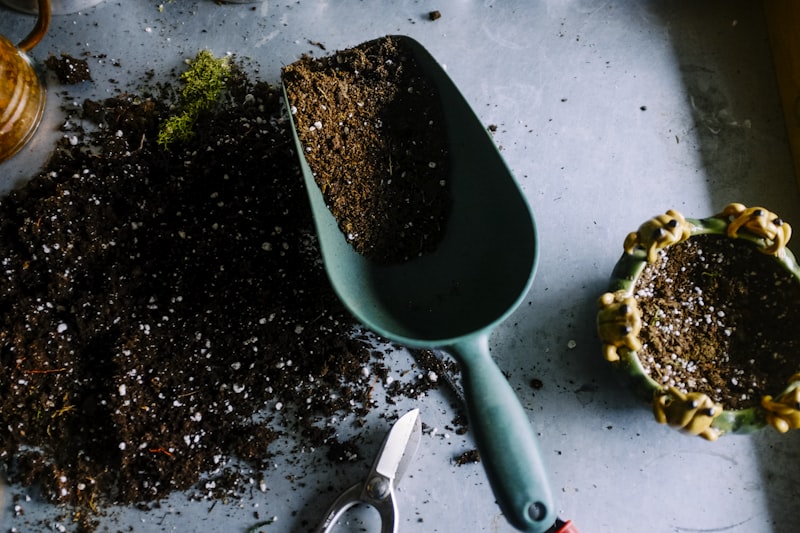
Strategic tree placement can reduce cooling costs by up to 35% while adding property value
Strategic Shade Tree Placement Changes Everything
The single most impactful thing you can do for energy efficient landscaping is plant shade trees in the right locations, but most people get this completely wrong. I see homeowners planting trees for curb appeal or because they like a particular species, then wondering why their energy bills don’t budge. The key is understanding that shade trees work differently depending on your climate and the orientation of your house. In hot climates, you want deciduous trees on the south and west sides to block summer sun while allowing winter light through. In cold climates, you might want evergreens on the north side to block winter winds while keeping southern exposure clear for passive solar heating.
When I first moved into my house, the previous owners had planted two beautiful oak trees directly in front of the living room windows on the south side. They provided gorgeous shade and made the front yard look established, but they were also blocking valuable winter sunlight that could have been heating the house naturally. I made the difficult decision to remove one and relocate the other to the southwest corner, where it now shades the hottest part of the house during summer afternoons while still allowing morning and winter sun to reach the windows. That single change, combined with planting a fast-growing maple on the west side, reduced my air conditioning runtime by about 40% during peak summer months.
The timing of shade tree benefits is something most people don’t consider, but it’s critical for planning. Fast-growing species like silver maples, hybrid poplars, or tulip trees can provide meaningful shade within 3-5 years, while slower-growing oaks or hickories might take 10-15 years to make a real impact on your energy bills. I learned to think of tree planting as a portfolio approach — plant some fast growers for immediate benefits and some slower, longer-lived species for long-term value. The fast growers give you energy savings while you’re still living in the house, and the premium species add property value for eventual resale.

Windbreak Planting That Actually Works
Windbreak planting is probably the most misunderstood aspect of energy efficient landscaping, mainly because most people think it’s just about blocking wind. Effective windbreaks create complex air flow patterns that can reduce heating costs by 10-25%, but only if you understand how wind moves around obstacles and how to design plantings that work with those patterns rather than against them. The classic mistake is planting a single row of evergreens and expecting them to stop wind like a wall. What actually happens is that wind hits the trees, goes up and over, then crashes down on the other side with even more turbulence than before.
The windbreak around my house took me three attempts to get right, and each failure taught me something important about how air moves across landscapes. My first attempt was a straight line of arborvitae along the north property line, which looked neat and tidy but created a wind tunnel effect that actually made the north side of the house colder. The second attempt added a second row of shorter shrubs, which helped but still didn’t address the turbulence issue. The final design uses three staggered rows of different heights — tall evergreens in back, medium deciduous trees in the middle, and low shrubs in front — with gaps between sections to allow some air flow while reducing wind speed.
What really makes windbreak planting effective is understanding that you’re not trying to stop wind completely, but rather to slow it down and redirect it. A properly designed windbreak should reduce wind speed by 50-80% for a distance of 10-20 times the height of the trees. This means a 30-foot tall windbreak can protect an area extending 300-600 feet downwind, but only if the planting density and species selection are right. Too dense, and you get the turbulence problem. Too sparse, and wind just flows through without slowing down. I’ve found that a windbreak should be about 60-80% permeable — thick enough to slow wind but open enough to prevent the up-and-over effect that creates downdrafts.
Ground Cover and Thermal Mass Strategies
The ground around your house acts like a giant thermal battery, absorbing and releasing heat throughout the day and season. Most people focus on what’s growing above ground while completely ignoring the thermal properties of different ground covers and hardscape materials. Dark asphalt driveways and concrete patios can raise local air temperatures by 10-15 degrees on sunny days, while light-colored gravel or properly chosen ground cover plants can actually cool the surrounding area. I learned this lesson the hard way when I installed a beautiful dark stone patio on the south side of my house, then couldn’t figure out why that room was suddenly harder to cool in summer.
This key to using ground cover for energy efficiency is understanding albedo — how much sunlight different surfaces reflect versus absorb. Light-colored surfaces reflect heat away from your house, while dark surfaces absorb it and radiate it back later. This is why cities are always hotter than surrounding rural areas, and why the microclimate immediately around your house can be dramatically different from the general climate in your area. I replaced that dark stone patio with light-colored permeable pavers and planted low-growing sedum between them. The temperature difference was noticeable within the first summer, and the room that had been difficult to cool became one of the most comfortable in the house.
Living ground covers offer additional benefits beyond just albedo effects. Dense, low-growing plants like creeping thyme, ajuga, or native sedges create an insulating layer that moderates soil temperature swings and reduces heat radiation. They also add moisture to the air through transpiration, which can lower local air temperatures by several degrees during hot weather. I’ve experimented with different ground cover combinations around my foundation and found that the areas with living ground cover stay 5-8 degrees cooler than areas with mulch or bare soil. The effect is subtle but measurable, and it translates to real energy savings when you’re talking about the microclimate immediately around your house.
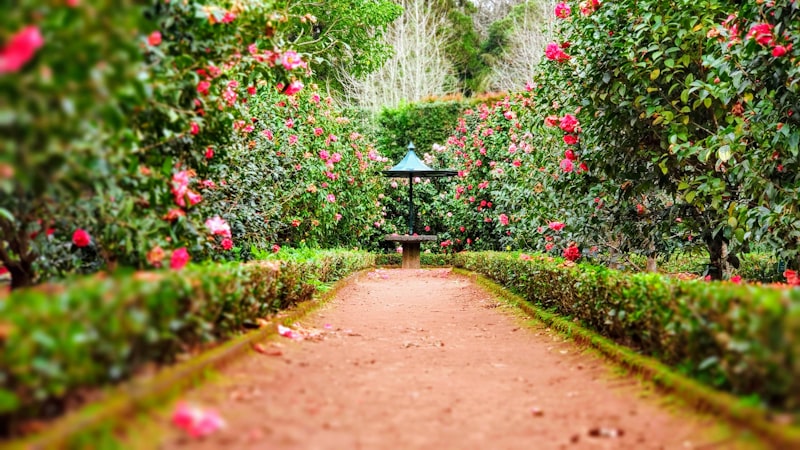
Living ground covers provide natural insulation and cooling through transpiration while reducing maintenance needs
Water Features and Evapotranspiration Cooling
Water features get dismissed as decorative luxuries, but properly designed water elements can provide significant cooling benefits through evaporation and the thermal mass effects of water itself. The key word here is “properly designed” — most residential water features are too small and poorly positioned to have any meaningful impact on energy efficiency. I’m not talking about tiny tabletop fountains or decorative bird baths, but rather substantial water elements that can actually move air and moderate temperatures around your house.
The most effective water feature I’ve installed is a shallow bioswale that captures roof runoff and slowly releases it through a series of small pools and planted areas. During summer months, this system provides continuous evapotranspiration cooling that lowers air temperatures in the immediate area by 3-5 degrees compared to the rest of the yard. The effect is most noticeable during hot, dry periods when the contrast between the moist microclimate around the water feature and the drier surrounding areas becomes pronounced. More importantly, the system handles stormwater runoff that would otherwise end up in storm drains, and it supports a diverse ecosystem of plants that wouldn’t survive in the drier parts of the yard.
That science behind evapotranspiration cooling is straightforward — when water evaporates, it absorbs energy from the surrounding air, lowering the temperature. Plants amplify this effect by continuously moving water from their roots to their leaves, where it evaporates and cools the surrounding air. The combination of open water surfaces and water-loving plants creates a natural air conditioning system that works most effectively when you need it most — during hot, dry weather. I’ve measured temperature differences of up to 8 degrees between areas near my bioswale system and areas farther away, and the cooling effect extends well beyond the immediate vicinity of the water features themselves.
Seasonal Energy Strategies and Plant Selection
The most sophisticated aspect of energy efficient landscaping is designing systems that provide different benefits throughout the year, adapting to seasonal changes in sun angle, prevailing winds, and heating versus cooling needs. This requires thinking beyond individual plants or features and considering how the entire landscape system performs across different seasons. Deciduous trees that provide summer shade while allowing winter sun, evergreen windbreaks that block cold winter winds while channeling cooling summer breezes, and ground covers that insulate soil in winter while providing evapotranspiration cooling in summer.
My approach to seasonal energy landscaping evolved over several years of observation and adjustment. I started by mapping sun angles and wind patterns throughout the year, noting how shadows moved across the house and yard during different seasons and how prevailing winds changed direction and intensity. This baseline data helped me understand which areas of the industry had the greatest potential for energy impact and which strategies would be most effective in each location. For example, I learned that the southwest corner of my house receives intense afternoon sun from April through September but is shaded by neighboring trees during winter months, making it an ideal location for deciduous shade trees that wouldn’t interfere with passive solar heating.
Plant selection for year-round energy efficiency requires balancing multiple factors — growth rate, mature size, seasonal characteristics, and maintenance requirements. I’ve found that the most effective landscapes use a mix of species with different seasonal strengths rather than trying to find plants that do everything. Fast-growing willows provide quick shade and wind protection but require regular pruning. Slow-growing oaks take years to mature but provide decades of reliable performance with minimal maintenance. Native grasses die back in winter, reducing wind protection, but their deep root systems improve soil drainage and prevent erosion that could undermine more permanent plantings.
The real payoff from energy efficient landscaping comes from understanding these seasonal dynamics and designing systems that work together throughout the year. My the field provides about 35% reduction in summer cooling costs, 15% reduction in winter heating costs, and has eliminated the need for irrigation in all but the driest years. More importantly, it’s created outdoor spaces that are comfortable and usable throughout more of the year, extending the effective living space of the house while reducing its environmental impact. The initial investment in plants and installation was recovered through energy savings within four years, and the ongoing benefits continue to compound as the plantings mature and become more effective.